Brain & spine specialist
Conditions Treated
Clear, patient-first guidance for brain and spine conditions—from diagnosis through treatment planning and recovery.
Brain & spine conditions we evaluate and treat
Every patient’s symptoms and imaging are different. Dr. Pallavi Shukla provides thorough evaluation and explains options in plain language—so you can make confident decisions.
Brain Tumors
Benign and malignant tumors, including meningioma, glioma, pituitary tumors, and metastatic lesions—evaluation, surgical planning, and follow-up.

Spine Disorders
Disc herniation, spinal stenosis, spondylolisthesis, degenerative spine disease, and nerve compression causing back/neck pain or sciatica.
Stroke & Neurovascular Conditions
Specialist assessment for stroke-related issues and neurovascular disorders, coordinating timely care and ongoing prevention planning.

Head Injury & Neurotrauma
Traumatic brain injury, intracranial bleeding, skull fractures, and spinal trauma—urgent evaluation and surgical care when needed.

Pediatric Neurosurgery
Neurosurgical conditions in infants and children, with family-centered explanations and careful treatment planning.

Peripheral Nerve & Compression Syndromes
Nerve entrapment and compression symptoms such as numbness, weakness, or radiating pain—diagnosis and treatment guidance.
What to expect
How we approach your care
A structured process designed to reduce uncertainty and help you move forward with clarity.
Comprehensive evaluation
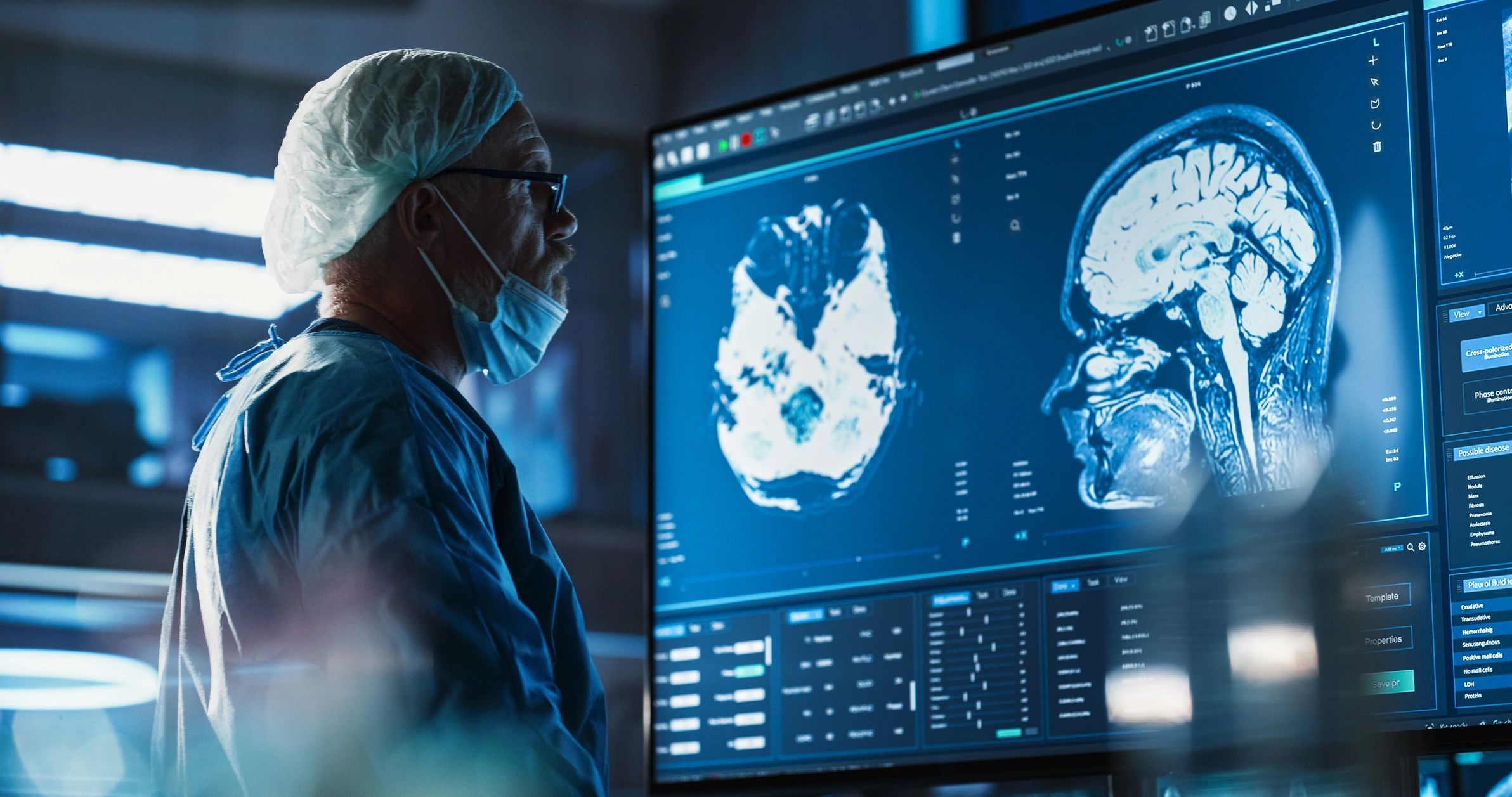
Detailed history, neurological examination, and review of imaging (MRI/CT) to understand the cause of symptoms.
Clear explanation of options
You’ll receive a straightforward discussion of diagnosis, urgency, and treatment choices—including non-surgical and surgical paths.
Coordinated treatment planning
Collaboration with imaging, anesthesia, rehabilitation, and allied specialists to support safe, seamless care.
Recovery and follow-up
Post-treatment guidance, warning signs to watch for, and follow-up planning to support long-term outcomes.
Common questions
If you’re unsure whether your symptoms need urgent attention, contact the clinic for guidance or seek emergency care when symptoms are severe.
When should I see a neurosurgeon?
If you have persistent or worsening neurological symptoms (weakness, numbness, severe headache, seizures, balance issues) or abnormal brain/spine imaging, a specialist evaluation can help clarify next steps.
What should I bring to my appointment?
Bring prior MRI/CT reports and images (CD/USB), a list of medications, relevant lab reports, and a brief timeline of symptoms. If possible, bring a family member for support.
Do all brain or spine conditions need surgery?
No. Many conditions improve with medication, physiotherapy, injections, or observation. Surgery is recommended only when benefits outweigh risks and when it’s the best path to protect function and quality of life.
How do you decide if surgery is urgent?
Urgency depends on symptoms, neurological deficits, imaging findings, and risk of progression. You’ll receive a clear explanation of timing and what could happen if treatment is delayed.
Can I get a second opinion?
Yes. Second opinions are welcome—especially for complex diagnoses. The goal is to help you feel confident in your care plan.
What symptoms require emergency care?
Seek emergency care for sudden weakness on one side, difficulty speaking, severe sudden headache, new seizures, loss of consciousness, or sudden loss of bladder/bowel control.
Ready to take the next step?
Get expert guidance for your symptoms
Share your reports and concerns—Dr. Pallavi Shukla will help you understand the diagnosis and the safest treatment options.