Procedures & Treatments
Advanced brain & spine care—planned around you
From thorough evaluation to surgery and recovery planning, Dr. Pallavi Shukla offers evidence-based neurosurgical treatment with clear communication and compassionate support.
Key procedures & treatments
A focused overview of commonly performed neurosurgical and non-surgical treatment pathways. Your plan is always individualized after clinical exam and imaging review.
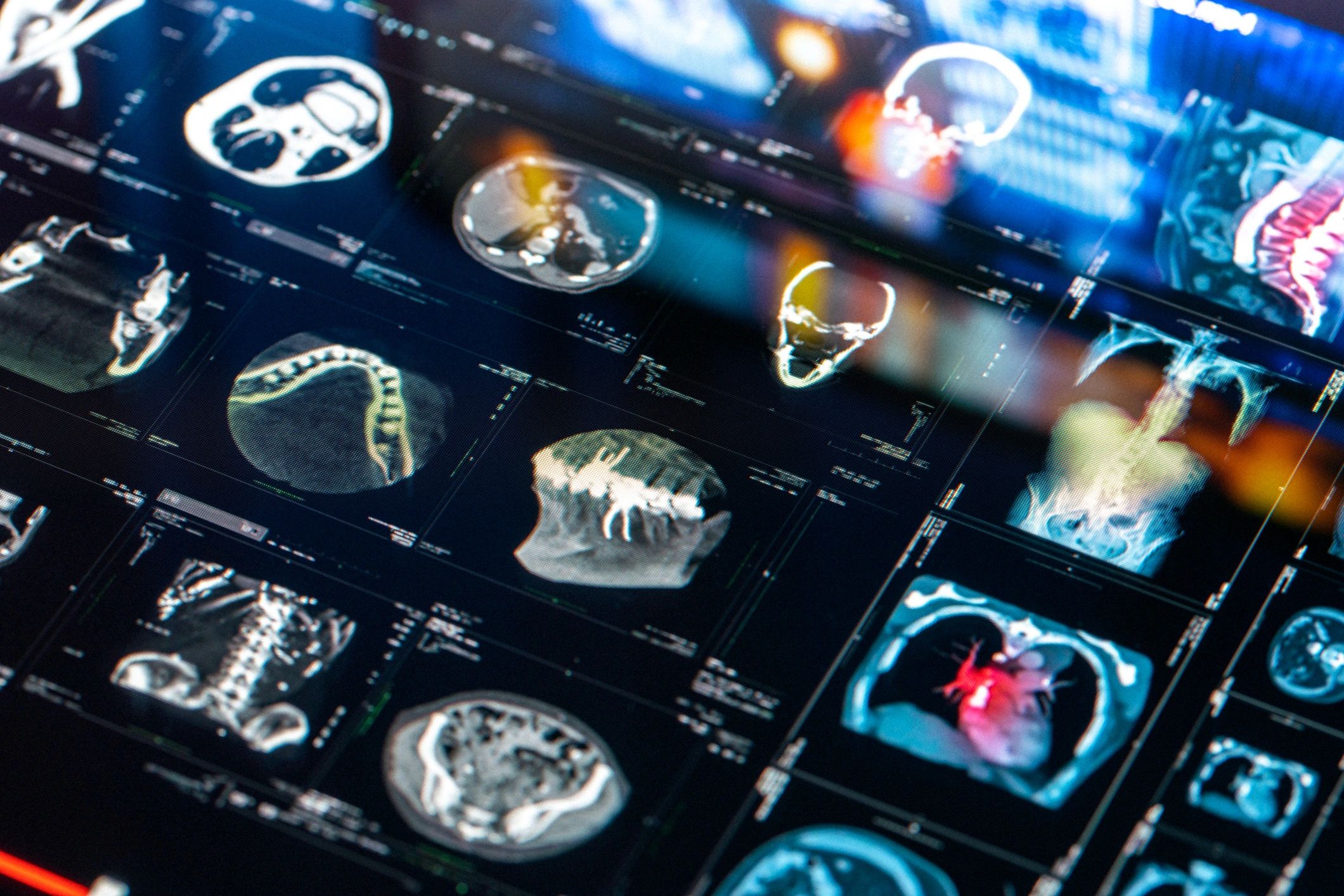
Brain tumor surgery
Microsurgical tumor removal or biopsy with careful planning to protect neurological function.
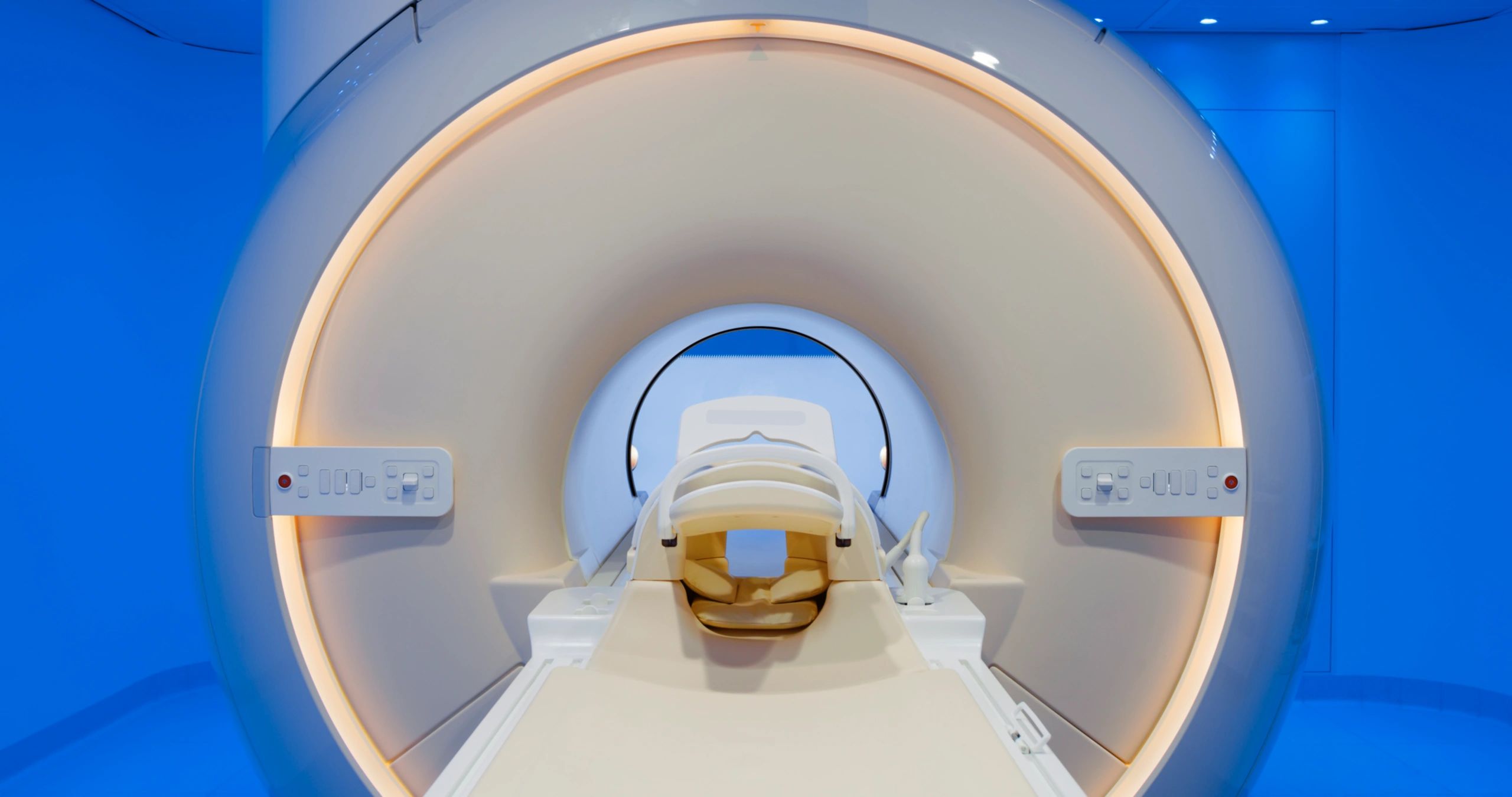
Spine decompression
Procedures to relieve nerve pressure from stenosis, disc herniation, or spondylosis.
Spine stabilization (fusion)
Stabilization for instability, deformity, or severe degeneration—when appropriate.

Head injury & trauma surgery
Urgent neurosurgical care for bleeding, swelling, or spinal injury—coordinated with ICU teams.

Stroke & neurovascular evaluation
Specialist assessment for stroke-related conditions and neurovascular disorders with timely coordination.

Pediatric neurosurgery care
Family-centered evaluation and surgical planning for infants and children.
What to expect
A clear, step-by-step treatment pathway
Every patient’s situation is unique. The goal is to explain options in plain language and choose the safest, most effective approach for your diagnosis and lifestyle.
✔
Evaluation & imaging review
Detailed history, neurological exam, and review of MRI/CT reports to confirm the diagnosis.
✔
Personalized plan & next steps
Discussion of non-surgical options, surgical indications, expected outcomes, and recovery timeline.

Procedure FAQs
Common questions patients and families ask before treatment. For advice specific to your case, please book a consultation.
How do I know if surgery is necessary?
Surgery is considered when symptoms, neurological findings, or imaging show a condition that is unlikely to improve safely with conservative care. We review benefits, risks, and alternatives together.
What tests might I need before a procedure?
Depending on your condition, this may include MRI/CT, blood tests, cardiac clearance, and anesthesia assessment. You’ll receive a clear checklist before scheduling.
How long is recovery after brain or spine surgery?
Recovery varies by diagnosis and procedure. We discuss expected hospital stay, activity restrictions, rehabilitation needs, and follow-up milestones before treatment.
Do you offer non-surgical treatment options?
Yes. Many spine and nerve conditions improve with medication, physiotherapy, lifestyle guidance, or injections. Surgery is recommended only when it is the best option for safety and outcomes.
Is minimally invasive surgery an option for me?
When appropriate, minimally invasive techniques may reduce tissue disruption and speed recovery. Suitability depends on anatomy, diagnosis, and imaging findings.
How should I prepare for my appointment?
Bring prior reports (MRI/CT), a list of medications, and details of symptoms and timelines. If possible, come with a family member for support and note-taking.
Ready to talk with a specialist?
Get a clear plan for your brain or spine condition
Request an appointment for a focused evaluation, imaging review, and a step-by-step treatment plan—shared in a caring, easy-to-understand way.